


Ordinarily, EcoTraining’s safari guide course includes overnight sleepouts in the bush, a rite of passage for students learning to track, navigate, and sleep under the stars without tents. But this session, the overnights were canceled.
On one of our first game drives, our guide and instructor spotted signs, the tread of a worn flip-flop beside the paw print of a domestic dog. Fresh. She radioed it in, and two days later, soldiers arrived to patrol the Zimbabwe–Botswana border each night. They became our unexpected but welcome guests at our Mashatu Camp.
Mashatu lies at the confluence of the Limpopo and Shashe rivers in the far eastern tip of Botswana. The rivers form a tri-border junction with Zimbabwe and South Africa, commonly referred to as the Tuli Block. Animals move freely between the three countries, unbothered by visa requirements or imaginary lines. They go where they are not harassed, although sometimes lions or leopards risk an easy meal of goat or steer.
Like in many African nations, hunting is banned in Botswana. The policy has both supporters and critics, but for now it is the law, and in Mashatu, it is Rex Masupe’s job to help enforce it.
Masupe, an imposing figure well over six feet tall, is the Anti-Poaching Security Coordinator and Human–Wildlife Conflict Specialist for the Northern Tuli Game Reserve, of which Mashatu is a part. He describes his role as part enforcement, part public relations.
His work is not just about catching poachers. It is just as much about diplomacy, about maintaining goodwill with the communities that border the park. According to him, people kill wild animals for two reasons: to protect their livelihoods or to turn a profit. That tension is his to manage.
Mashatu is not a zoo. There are no fences. The wildlife moves where it will, and sometimes that means a lion takes a cow or elephants trample a harvest. For the farmers living along the park’s edge, these losses are personal and often devastating. Some report them, while others take matters into their own hands. Poison is the most common response.
But poison is a clumsy weapon. It kills indiscriminately and long after the original predator is gone. A single baited carcass meant for a lion can wipe out dozens of animals in the scavenger chain. Masupe told us his team has found as many as thirty vultures dead from a single incident.
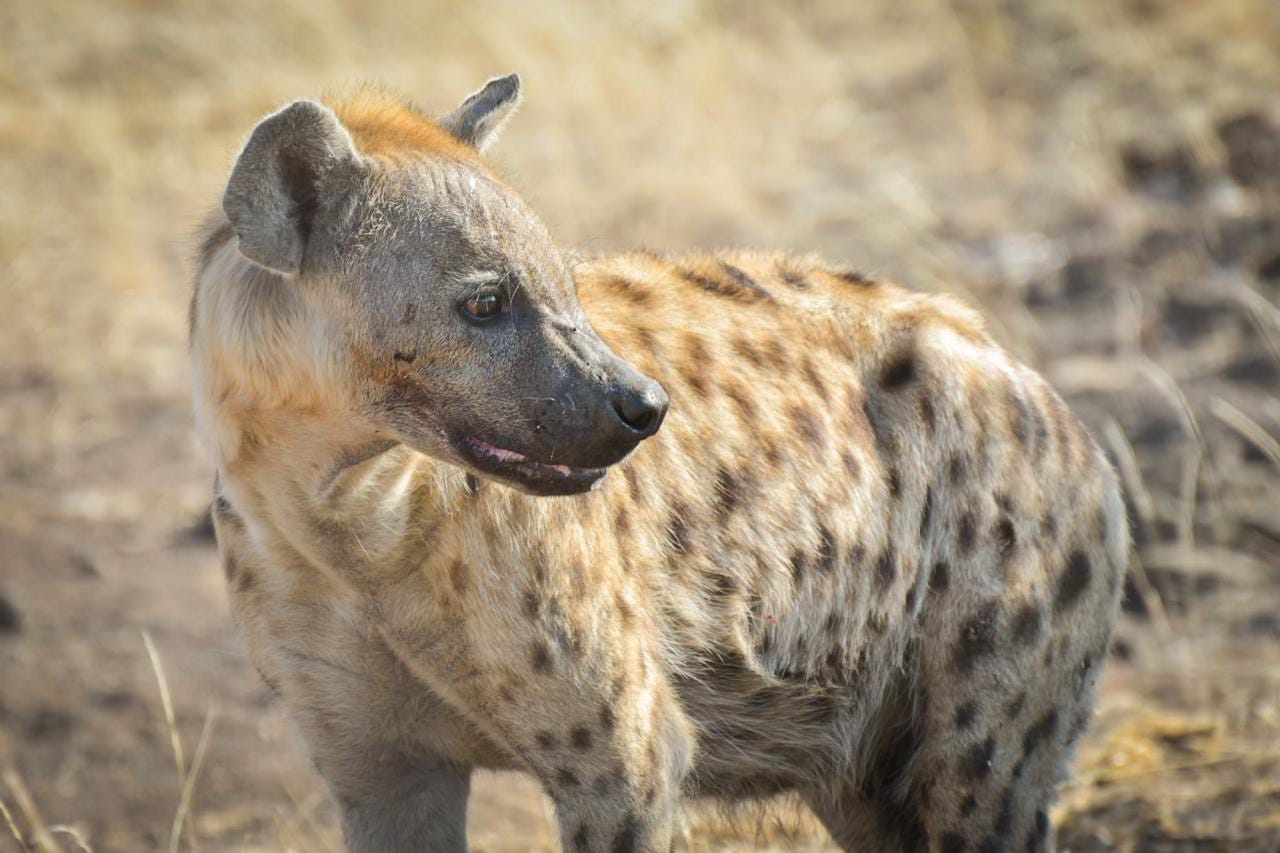
Scavengers are the cleanup crew of the veld. Once predators finish with a kill, the rest is quickly consumed by hyenas, jackals, vultures, even the moth larvae that break down keratin from horns and hooves. That is why animal carcasses rarely last more than a few hours in the bush. Poisoned meat, though, turns that cycle toxic.
Protecting tomato plants or livestock is understandable. Even in Colorado, people still argue about reintroducing wolves on the Western Slope. But Colorado has the means to compensate ranchers. Poorer regions, especially Zimbabwe, do not. The loss of one cow or one field can threaten a family’s survival.
Masupe knows this. Part of his job is helping communities and their leaders understand that wildlife, though often a burden to individual farmers, can bring long-term benefits to the region. Tourism, conservation funding, and employment all depend on healthy animal populations. But when a family has just lost a field of maize or a cow to a predator, the promise of indirect benefit is a hard case to make.
The same tension exists elsewhere in Africa. In Virunga National Park, the trade-off is between cutting trees for charcoal and protecting the forest from deforestation. Until a sustainable fuel source is found, families will keep cutting. In both places, survival comes first. Conservation only works when people have real, practical alternatives.
When survival is at stake, the line between protecting what is yours and taking what is not can grow thin. In Part Two, I’ll look at what happens when that line disappears entirely, when poaching becomes a business, and the dogs that cross the river are more than companions. They are tools of a trade that spans borders.
Excellent and well written first-hand insight. Very interesting to learn details of what occurs in this environment where the wild and the domesticated struggle to co-exist. I'm interested in learning about the poaching.