


In 2014, Botswana implemented a nationwide ban on trophy and sport hunting under President Ian Khama, aiming to protect declining wildlife populations. The ban remained in place until 2019, when President Mokgweetsi Masisi lifted it following a government review. Framed as a response to increased human–wildlife conflict and rural economic concerns, the decision was controversial.
Since then, Botswana has allowed tightly regulated hunting under a quota system. Permits are issued primarily for elephants and a few other species in designated concession areas. Hunting remains prohibited in national parks and private reserves.
Supporters argue it eases pressure on communities affected by wildlife and provides income for rural areas. Critics counter that it sends mixed signals and risks undoing past conservation progress.
Mashatu Game Reserve, part of the privately owned Northern Tuli Game Reserve (NOTUGRE), does not allow any form of hunting. It operates as a photographic safari reserve with a strong focus on conservation and ecotourism. But that hasn’t stopped poachers from illegally crossing the border from Zimbabwe to kill.
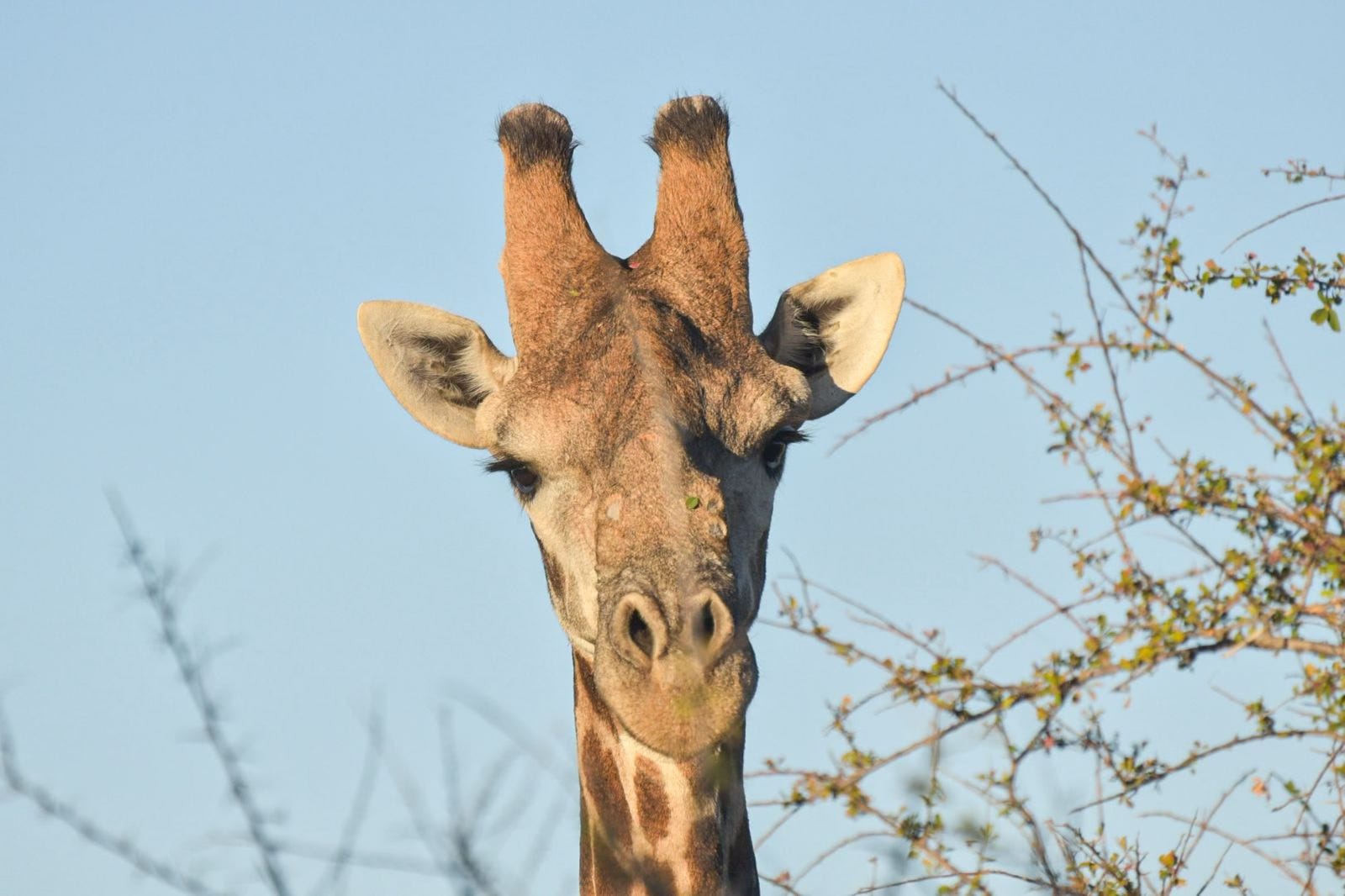
What began as subsistence hunting, impoverished men feeding their families, has evolved into something more organized. Gangs of young men, often aged seventeen to twenty-one, now supply the commercial bushmeat trade in Zimbabwe. Giraffes are a primary target because of their size; a single leg can fetch over two hundred US dollars across the border.
The poachers often scout the area by day and hunt at night, using as many as twenty-five dogs to corner their prey. A bright spotlight blinds the animal just before a spear is thrown into its heart. The carcass is quickly butchered and the meat loaded onto donkeys or mules for the trip back across the Zimbabwe border.
Poachers go to great lengths to avoid detection. One of their biggest giveaways is vultures. Able to spot carcasses from several miles away, vultures circling above a fresh kill or a snared animal can alert rangers to illegal activity. To prevent this, poachers have been known to poison and kill as many as sixty vultures at a time.
It is more than a gruesome tactic. It undermines the broader ecosystem. Vultures play a vital role in cleaning the landscape, controlling disease, and signaling deaths in the bush. Their absence sends ripple effects through the ecosystem, far beyond the loss of any single poached animal.
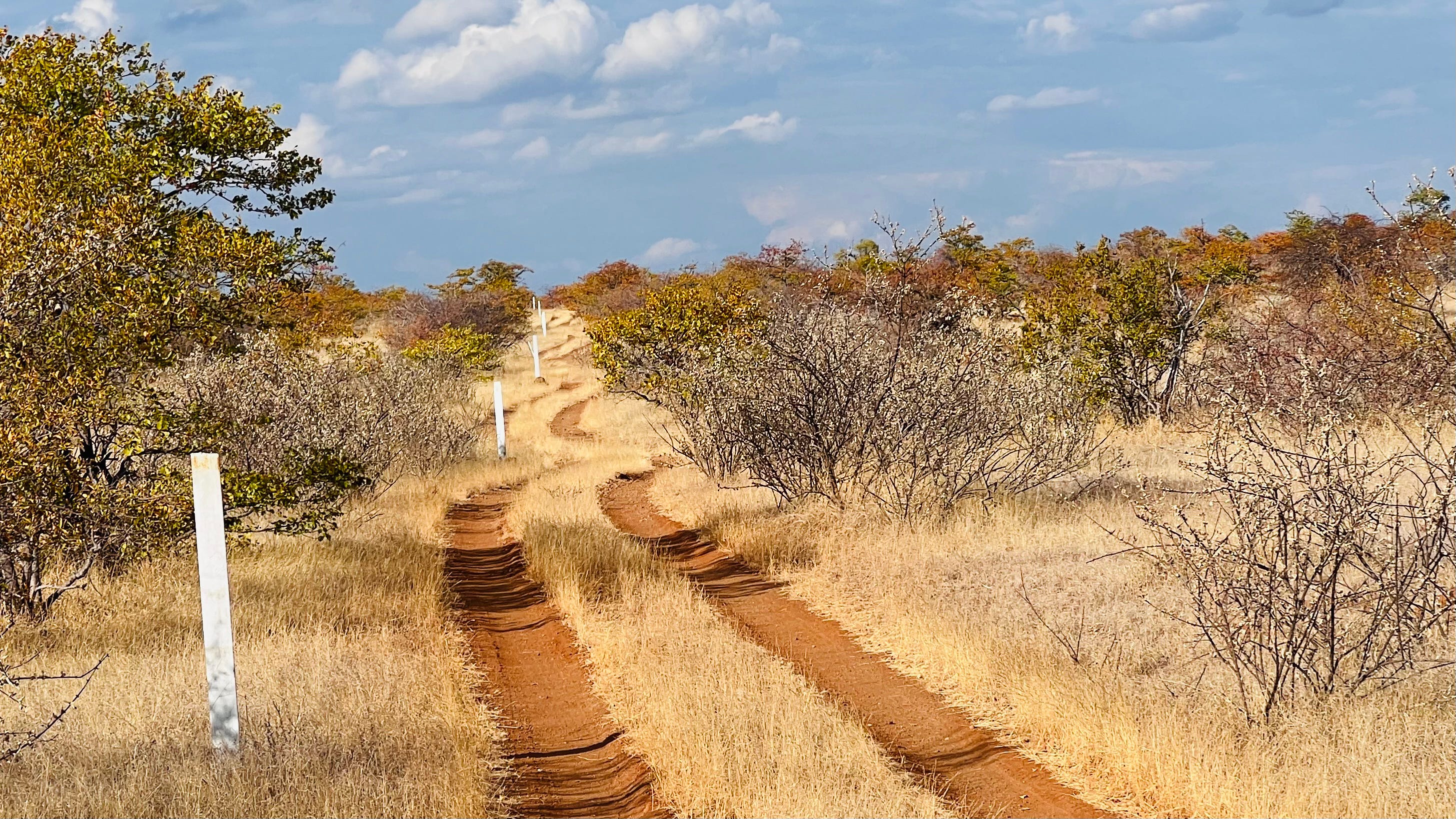
Rex O. Masupe, Anti-Poaching and Security Coordinator for the entire Northern Tuli Game Reserve, coordinates the reserve’s anti-poaching response. His eight-person teams patrol 117,000 hectares (289,000 acres), concentrating on known hotspots. But the poachers adapt quickly, shifting locations as soon as a patrol moves in.
Much of the team’s time is spent finding snares and dismantling traps. Masupe says that between 1,600 and 2,000 snares are found and dismantled annually. When they do encounter poachers, they shoot the dogs on sight. Confronting the poachers themselves requires caution, enforcing the law without escalating violence. Arrests are rare. Convictions even rarer.
Local arrest data for Mashatu or the Northern Tuli Game Reserve (NOTUGRE) is not publicly available. Nationally, however, Botswana’s anti-poaching efforts have earned international attention, particularly under former President Ian Khama. The country's tough enforcement stance, including a de facto shoot-to-kill policy, was credited with reducing poaching to near zero in some areas and cementing Botswana’s reputation as a regional conservation leader.
A 2015 report noted 317 arrests related to rhino poaching, up from 258 the previous year. A subsequent national strategy cited a 25 percent increase in arrests, a 30 percent rise in trial success rates, and a 20 percent drop in poaching incidents, suggesting that enforcement is gaining traction.
Still, limitations remain. Masupe’s unit has only three sets of night vision goggles for six teams, making it difficult to track poachers who almost always operate after dark. Despite these challenges, Masupe says his teams will keep patrolling. “Until the situation improves in Zimbabwe, the poachers will keep coming.”